










Table of Contents
- Overview of RBI Policy Announcement
- Repo Rate Decision Explained
- Inflation Forecasts Revised Down
- GDP Growth Outlook Strengthened
- Global Pressures: US Tariffs & Rupee Weakness
- Government Measures: GST Rate Cuts
- Expert Insights & Market Reactions
- Key Takeaways from RBI Policy
- Conclusion: What This Means for India’s Economy
Overview of RBI Policy Announcement
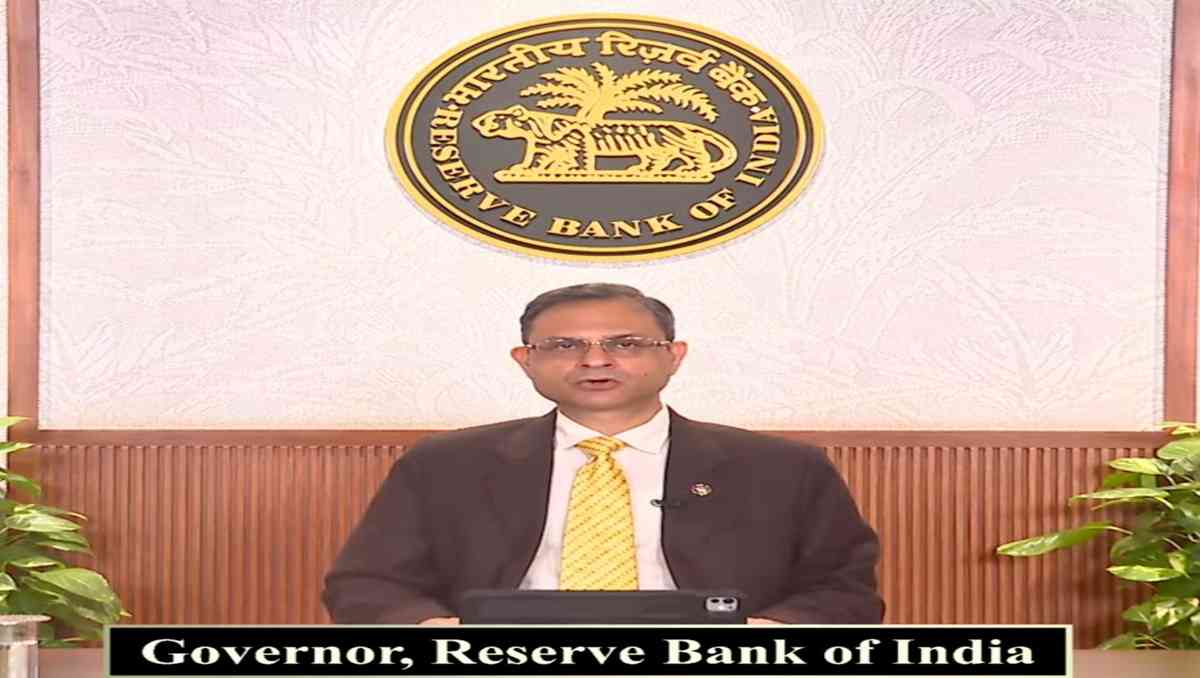
The Reserve Bank of India (RBI) under Governor Sanjay Malhotra, has announced its latest monetary policy update in New Delhi on Wednesday. The central bank decided to maintain the repo rate at 5.5%, reflecting a neutral monetary stance even as global economic uncertainties, especially rising US tariffs, continue to pressure the Indian economy.
This decision by the Monetary Policy Committee (MPC) highlights RBI’s cautious approach: balancing subdued inflation trends against growth challenges and rupee weakness.
Repo Rate Decision Explained
The repo rate, which is the rate at which RBI lends to commercial banks, has been kept unchanged at 5.5%. This aligns with market expectations, as Bloomberg reported that 24 out of 39 economists predicted a status quo.
Key points:
- A stable repo rate helps ensure liquidity
- Keeps borrowing costs consistent for businesses and consumers
- Shows RBI’s preference to watch global macroeconomic shifts before acting further
#RBIMPC | RBI Gov: RBI keeps repo rate unchanged, maintains healthy bank credit growth, plans Basel III norms from 2027, proposes risk-based deposit insurance & removes lending ceiling on listed debt@RBI @GovSMalhotra #RBIPolicy #MPC #MPCMeet #MonetaryPolicy pic.twitter.com/vxBWp9shpE
— ET NOW (@ETNOWlive) October 1, 2025
Inflation Forecasts Revised Down
The central bank has revised India’s inflation projection for FY26 to 2.6%, down from its earlier estimate of 3.1%.
Reasons for revision:
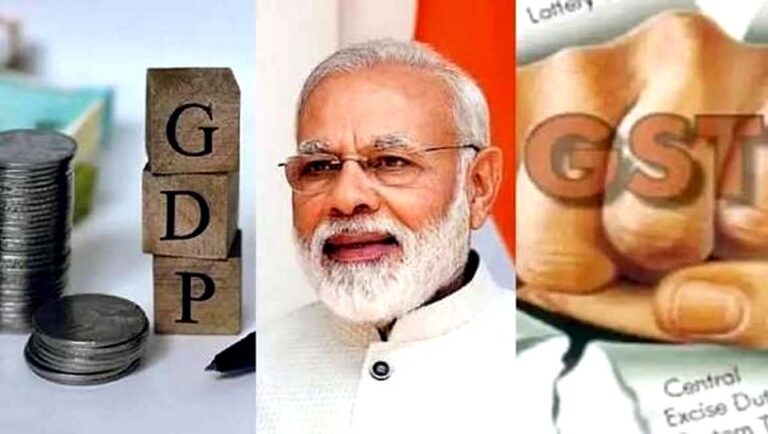
- Recent GST rate cuts aimed at reducing consumer prices
- Inflation has been hovering at the lower end of RBI’s 2%-6% target band
This signals price stability in the coming quarters.
GDP Growth Outlook Strengthened
RBI has revised GDP growth forecast for FY26 to 6.8%, up from 6.5% earlier.
This upgrade follows a stronger-than-expected 7.8% economic expansion in the April–June quarter of FY25. The optimism reflects improved domestic fundamentals despite external headwinds.
For context, see IMF India Economic Outlook for global comparisons
Global Pressures: US Tariffs & Rupee Weakness
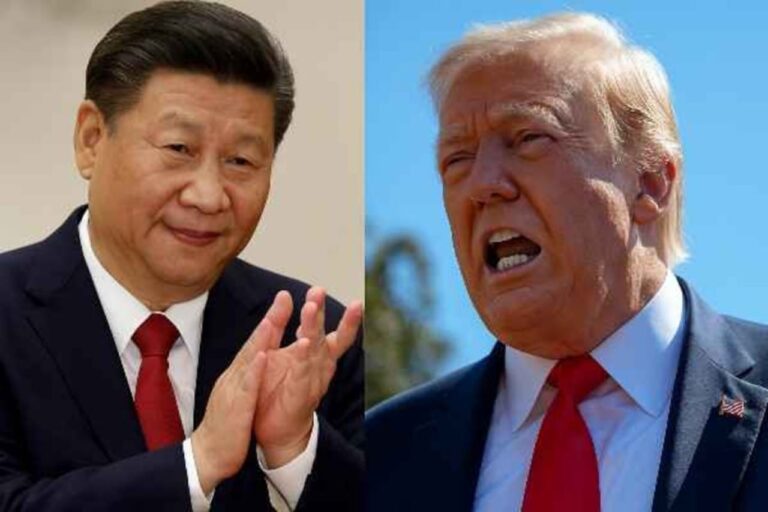
One of the biggest challenges facing India is the 50% tariffs imposed by US President Donald Trump, which have impacted exports and created volatility in financial markets.
At the same time, the Indian rupee has fallen 3.6% against the US dollar in 2025, the worst among Asian emerging markets. Check XE Currency Charts for live rupee-dollar updates.
This depreciation is adding pressure on imports, inflation, and investor sentiment.
Government Measures: GST Rate Cuts
To support the economy, the government has recently cut GST rates. These measures aim to:
- Boost household incomes
- Spur consumer demand
- Improve business confidence
For detailed notifications, refer to the Central Board of Indirect Taxes and Customs (CBIC)
Expert Insights & Market Reactions
- Economists: A majority expected a status quo on repo rate, citing the need to balance global risks.
- Markets: Despite positive macros, foreign investors have been selling Indian equities, citing global tariff concerns. Track live updates on NSE India
Policy Outlook: Analysts suggest that RBI may cut rates further if inflation remains subdued. Key Takeaways from RBI Policy
- Repo Rate: Unchanged at 5.5%
- Inflation Forecast: Lowered to 2.6% for FY26
- GDP Growth Forecast: Revised up to 6.8%
- Global Risks: US tariffs and rupee depreciation remain challenges
- Domestic Measures: GST cuts likely to support demand and growth
Conclusion: What This Means for India’s Economy
The latest RBI Policy reflects cautious optimism. While the global environment remains uncertain, India’s lower inflation outlook and higher growth prospects present a strong macroeconomic foundation.
For businesses, stable borrowing costs and improving demand conditions are encouraging signs. For households, falling inflation expectations signal more stable prices in the near future.
Stay updated with official RBI Monetary Policy Statements for detailed insights.


Thanks for sharing. I read many of your blog posts, cool, your blog is very good. https://accounts.binance.com/pt-BR/register-person?ref=GJY4VW8W