








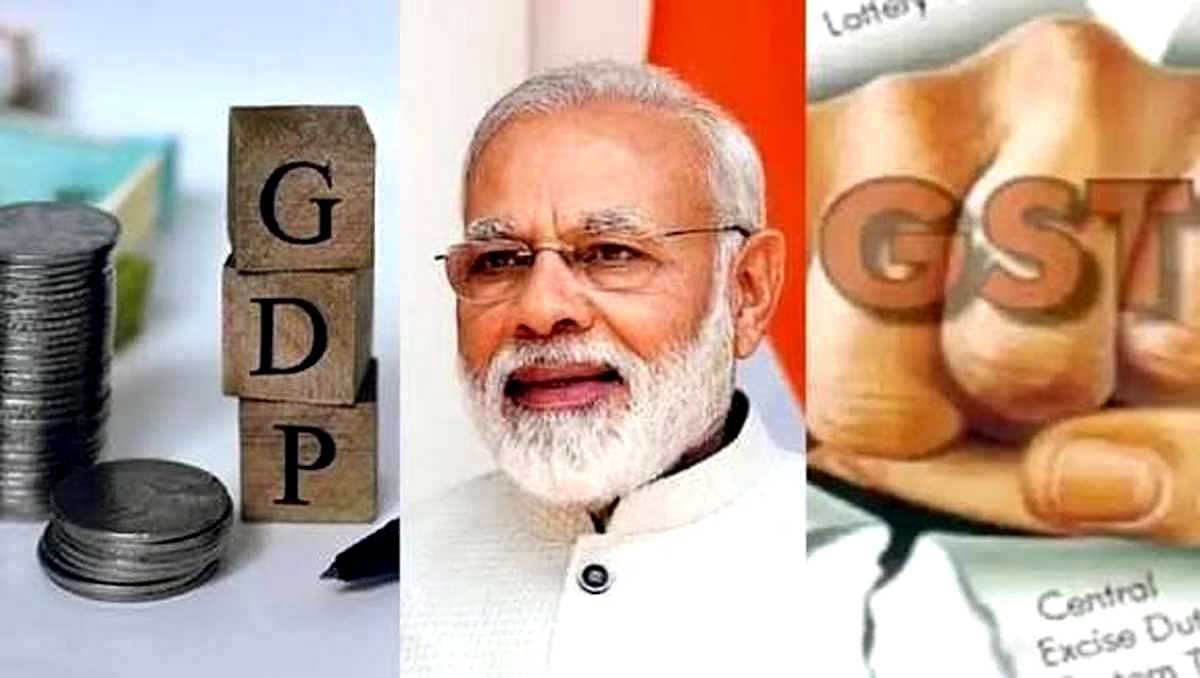

The much-awaited GST 2.0 reform comes into effect from September 22, 2025, bringing a major reshuffle in tax rates across goods and services. With a simplified structure, the government promises reduced compliance burdens, fewer disputes, and cheaper household expenses. But will consumers truly benefit? Let’s break down what GST 2.0 means for your daily shopping, travel, and lifestyle.
GST 2.0: What’s New?
Earlier, GST operated under a four-tier structure of 5%, 12%, 18%, and 28%, often creating confusion. GST 2.0 simplifies this into two main slabs—5% and 18%—while ultra-luxury and sin goods face a steep 40% rate.
- 5% Tax Slab → Essentials like food grains, medicines, dairy products, and educational goods.
- 18% Tax Slab → Standard goods and services, from manufacturing to consumer services.
- 40% Tax Slab → Sin and luxury items including tobacco, pan masala, aerated drinks, premium cars, casinos, and online gaming.
Prime Minister Narendra Modi called GST 2.0 the beginning of a “Bachat Utsav” (festival of savings), assuring households of lower prices on everyday items.
What Gets Cheaper Under GST 2.0?
Households will notice reduced taxes on several essentials and consumer goods:
- Food & Dairy: UHT milk, chapati, paratha, and parotta are now tax-free. Butter, ghee, paneer, and cheese are taxed at 5%. Packaged foods like pasta, biscuits, chocolates, and namkeens are also in the 5% slab.
- Dry Fruits & Sugar Products: Almonds, cashews, pistachios, dates, and refined sugar now attract 5% tax.
- Healthcare & Education: Life-saving drugs, medical devices, and books are either tax-free or taxed at 5%.
- Consumer Durables: Televisions, washing machines, and dishwashers move down from 28% to 18%. Hair oil, toothpaste, and shampoos are taxed at 5%.
- Automobiles: Small cars and bikes (up to 350cc) are taxed at 18% instead of 28%. Life and health insurance policies become tax-free.
- Housing & Agriculture: Fertilizers, seeds, and construction materials drop to 5%.
- Travel & Hospitality: Economy air tickets and hotel stays under ₹7,500 now fall under the 5% bracket.
What Gets Costlier in GST 2.0?
Not all products get cheaper—some will hit your wallet harder:
- Luxury & Sin Goods: Cigarettes, gutkha, pan masala, and sugary aerated drinks now face a 40% tax.
- Coal: Moved from 5% to 18%, raising industrial energy costs.
- Luxury Automobiles: Bikes above 350cc and premium cars taxed at 40%.
- Entertainment & Gaming: Casinos, horse racing, lotteries, and IPL tickets are now under 40%.
Will Companies Pass on GST 2.0 Benefits?
The government has slashed rates, but the big question remains—will consumers actually see lower prices?
- Automobiles: Companies like Toyota, Mahindra, Maruti, Tata, and Hyundai have announced price cuts. Toyota’s Legender model is now cheaper by ₹3.34 lakh, while Mahindra is offering discounts up to ₹2.56 lakh. Even Mercedes-Benz and BMW plan to reduce prices.
- FMCG & Dairy: HUL, P&G, Emami, Amul, and Mother Dairy have pledged lower prices on consumer goods and milk products.
However, past experience shows mixed results. According to a LocalCircles survey, only 2 in 10 consumers felt earlier GST cuts benefited them, while many blamed manufacturers and retailers for pocketing the margin.
Consumer Sentimentpeople revealed:
- 26% said manufacturers never reduced MRPs.
- 15% blamed retailers for not lowering prices.
- 32% could not confirm if they benefited at all.
This history leaves many questioning whether GST 2.0 will truly reduce household expenses. Experts believe strict monitoring will be necessary to ensure that tax cuts reach end buyers.
Government’s Stand on GST 2.0
The government says GST 2.0 will:
- Reduce prices on essentials and daily-use items.
- Simplify compliance for businesses and shopkeepers.
- Benefit farmers, women, youth, and small traders.
- Boost disposable income and consumer spending.
Final Thoughts
GST 2.0 is one of India’s biggest tax reforms, aiming to simplify the system, widen the tax base, and make goods and services more affordable. Essentials, FMCG products, and small vehicles will cost less, while luxury cars, cigarettes, and gaming will get pricier.
But for households, the key lies in whether businesses pass on the benefits. If they do, GST 2.0 could truly mark the beginning of a “festival of savings” for Indian consumers.
READ MORE: GST Reforms 2025: Popcorn Tax, Cars, Insurance & Everyday Goods Get Relief