









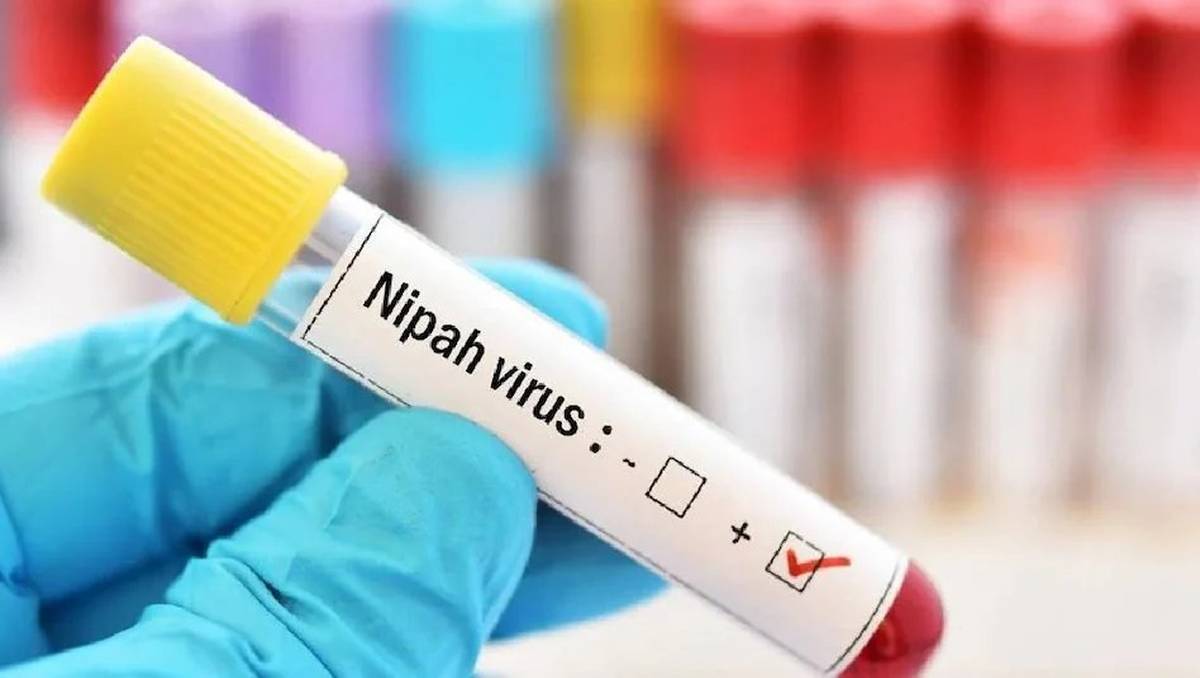
Latest Update: January 2026 – Health authorities are monitoring suspected cases in West Bengal. Here is what you need to know to stay protected
Table of Contents
- What is Nipah Virus?
- How the Virus Spreads
- Recognizing the Symptoms
- Prevention and Safety Checklist
- Treatment and Clinical Care
What is Nipah Virus?
Nipah virus (NiV) is a zoonotic virus, meaning it is transmitted from animals to humans. While it can cause mild illness in some, it is primarily known for causing severe respiratory issues and fatal encephalitis (inflammation of the brain).
According to the World Health Organization (WHO), the virus is a major public health concern because it has a high mortality rate and currently has no specific vaccine.
How the Virus Spreads
The primary host of the Nipah virus is the fruit bat. However, the virus can travel through various routes:
- Direct Animal Contact: Handling infected pigs or bats, or coming into contact with their saliva, urine, or blood.
- Contaminated Food: Consuming fruits or raw date palm sap contaminated by bat droppings or secretions.
- Human-to-Human: Close contact with an infected person’s bodily fluids. This is most common among family members and healthcare workers providing bedside care.
Recognizing the Symptoms
Symptoms typically appear within 4 to 14 days after exposure. Early detection is critical for survival and containment.
Initial Symptoms (Flu-like)
- High fever and persistent headache
- Muscle pain and extreme fatigue
- Vomiting and sore throat
- Acute respiratory distress (difficulty breathing)
Advanced Symptoms (Neurological)
As the infection progresses to the brain, patients may experience:
- Confusion, disorientation, and drowsiness
- Slurred speech or seizures
- Coma within 24 to 48 hours
Prevention and Safety Checklist
Since there is no cure, prevention is the best defense. Use the following guide to minimize risk:
| Risk Factor | Safety Action |
| Food Safety | Wash and peel all fruits. Avoid fruits with “bat bites” or those found on the ground. |
| Beverages | Avoid drinking raw date palm sap. If consumed, ensure it is boiled first. |
| Hygiene | Wash hands regularly with soap. Avoid contact with sick livestock. |
| Caregiving | Wear PPE (masks, gloves, goggles) if attending to a person with fever. |
Treatment and Clinical Care
Currently, there are no drugs specifically designed to kill the Nipah virus. Management involves intensive supportive care, which includes:
- Hydration and electrolyte balance.
- Mechanical ventilation for respiratory failure.
- Monitoring for neurological complications via CT scans or MRIs.
Suspected cases are usually isolated in dedicated hospital wards, and samples are sent to high-security laboratories like the National Institute of Virology (NIV) for confirmation.
ALSO READ :Censorship or Politics? The Explosive Row That Halted Thalapathy Vijay’s Final Bow, Jana Nayagan