







Table of Contents
- Overview of the December 2025 Rate Cut
- Why the Fed Cut Rates for the Third Time
- Inflation and Labour Market Concerns
- Internal Divide Within the Fed
- Outlook for 2026 and the US Economy
- Reserve Balances and Treasury Purchases
- External Resources
Overview of the December 2025 Rate Cut
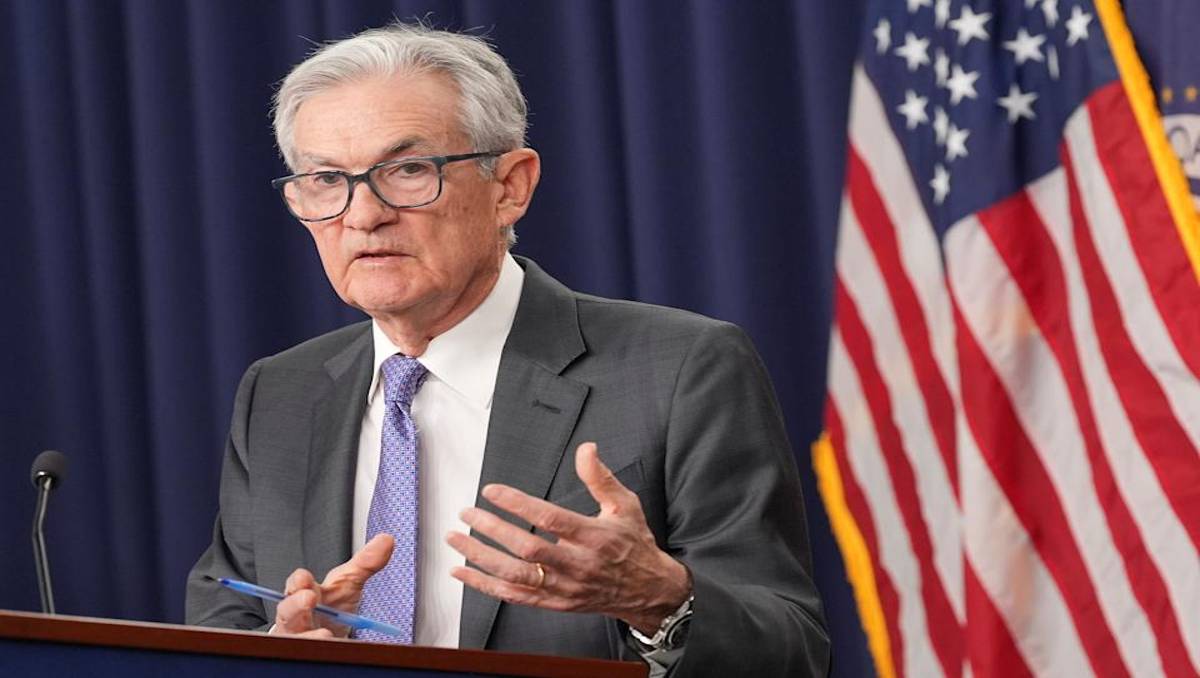
The United States Federal Reserve, after its two-day FOMC meeting on 10 December 2025, reduced the benchmark federal funds rate by 25 basis points, bringing it to 3.50%–3.75%. This marks the third consecutive rate cut since September 2025 and places interest rates at their lowest level in nearly three years.
The decision reflects the Fed’s effort to balance slowing economic conditions, elevated inflation pressures, and a labour market that continues to weaken.
Why the Fed Cut Rates for the Third Time
According to the FOMC, risks to the economic outlook shifted enough to justify another modest cut. Nine out of twelve voting members supported the move. One member preferred a 50-basis-point cut, while two wanted no change at all.
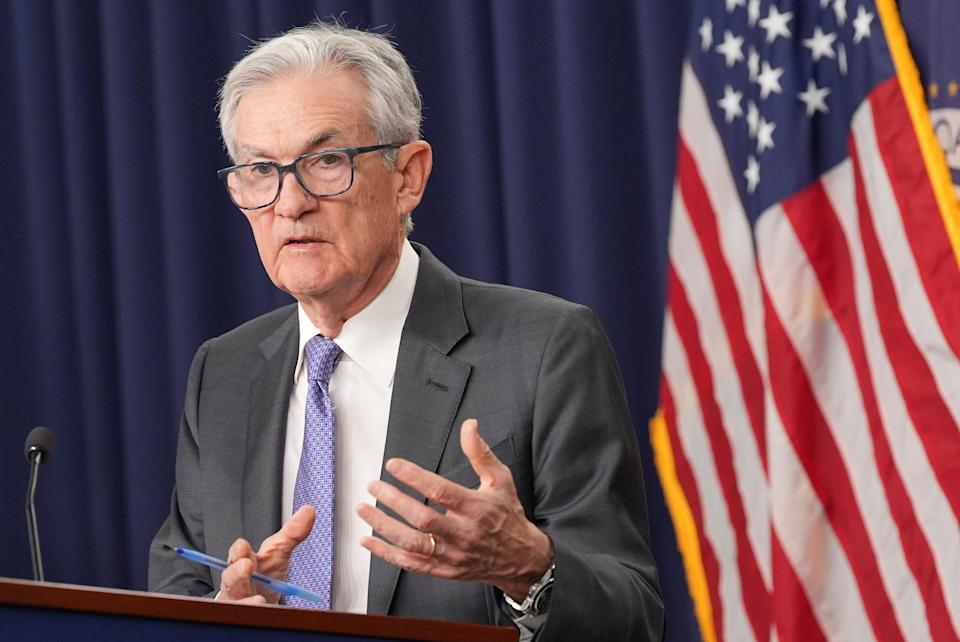
Fed Chair Jerome Powell said that upcoming data will guide future policy decisions. The Fed may either hold rates steady or cut again in early 2026. He also clarified that a rate hike is not on the table for now.
Inflation and Labour Market Concerns
Even with the rate cut, inflation remains above the Fed’s target while the job market continues to soften. Recent indicators show:
- Unemployment has risen to 4.4%, with expectations of reaching 4.5% by year-end.
- September payrolls showed 119,000 jobs added despite volatile labour data earlier in the year.
- Core PCE inflation stands at 2.8%, slightly easing from August.
The Fed noted rising downside risks to employment and emphasized its mandate to support both stable inflation and maximum employment.
Internal Divide Within the Fed
This meeting revealed one of the sharpest internal disagreements in years. Three officials dissented, each for different reasons:
- Austan Goolsbee – preferred to hold rates
- Jeffrey Schmid – preferred to hold rates
- Stephen Miran – supported a larger 50-bp cut
This is the first time since 2019 that three officials opposed a policy decision in opposite directions, underscoring the uncertainty in the economic outlook.
Outlook for 2026 and the US Economy
Looking ahead, Fed officials expect:
- One more rate cut in 2026
- GDP growth of 2.3% next year
- Inflation easing to 2.5% in 2026
- Unemployment dipping slightly to 4.4%
However, policymakers remain divided. Some see no cuts in 2026, while others expect multiple reductions depending on inflation and labour market trends.
Reserve Balances and Treasury Purchases
The Fed announced that it will resume purchasing short-term Treasury securities as needed to maintain ample reserves in the banking system. This comes as reserve balances have gradually declined throughout 2025.
External Resources
For deeper understanding of Federal Reserve operations, visit:
- What is the FOMC?
- Federal Funds Rate Explained
- US Personal Consumption Expenditures (PCE)
- Federal Reserve Balance Sheet Trends
ALSO READ : Japan Issues Highest-Level Megaquake Advisory After 7.5 Earthquake

One thought on “US Fed Cuts Interest Rates Again – Key Highlights of December 2025 FOMC Meeting”