








Table of Contents
- Who Was Major Mohit Sharma?
- His Extraordinary Undercover Operation
- The Ashoka Chakra: A Tribute to Supreme Courage
- Why Dhurandhar Is Being Linked to Him
- What the Family Told the Court
- Filmmaker Aditya Dhar’s Clarification
- CBFC’s Decision
- Why This Matters
Who Was Major Mohit Sharma?
Major Mohit Sharma, born in Rohtak in 1978, was one of India’s most decorated Special Forces officers. Known to his family as “Chintu” and to his Army comrades as “Mike,” he combined creativity and patriotism like few others. He was gifted in music, mastering instruments such as the guitar, mouth organ and synthesizer. However, his heart was set on serving the nation. He left engineering studies to join the National Defence Academy (NDA) and was later commissioned into the 5th Battalion, The Madras Regiment.
After successful operations in Jammu & Kashmir with Rashtriya Rifles, he volunteered for the elite 1 Parachute Battalion (Special Forces), known for its toughest training and highest-risk missions.
His Extraordinary Undercover Operation
One of Major Sharma’s most iconic missions involved going undercover as “Iftikhar Bhatt.” He changed his appearance, grew his hair, and perfected local Kashmiri speech to infiltrate a militant network. His cover story—of a man seeking revenge against the Army—was so convincing that the militants began planning operations with him.
When suspicion arose, he boldly threw down his AK-47 and challenged them to shoot him if they doubted him. In that crucial moment, he drew his pistol and neutralized two militants. For this unmatched courage, he received the Sena Medal for gallantry.
The Ashoka Chakra: A Tribute to Supreme Courage
In 2009, during an intense encounter in the Hafruda forest of Kupwara, Major Sharma and his team faced heavy fire. Even after being shot, he crawled forward to save his injured soldiers. Despite severe injuries, he continued fighting, eliminating multiple terrorists before making the supreme sacrifice.
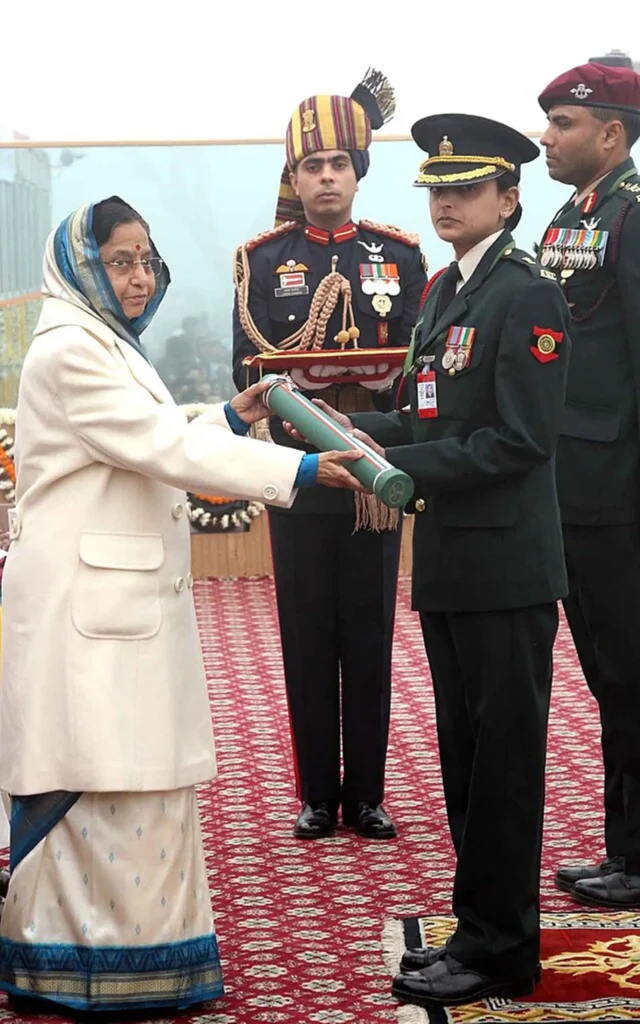
For this extraordinary bravery beyond the call of duty, he was posthumously awarded the Ashoka Chakra, India’s highest peacetime gallantry award.
Why Dhurandhar Is Being Linked to Him
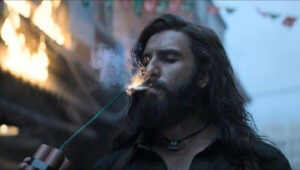
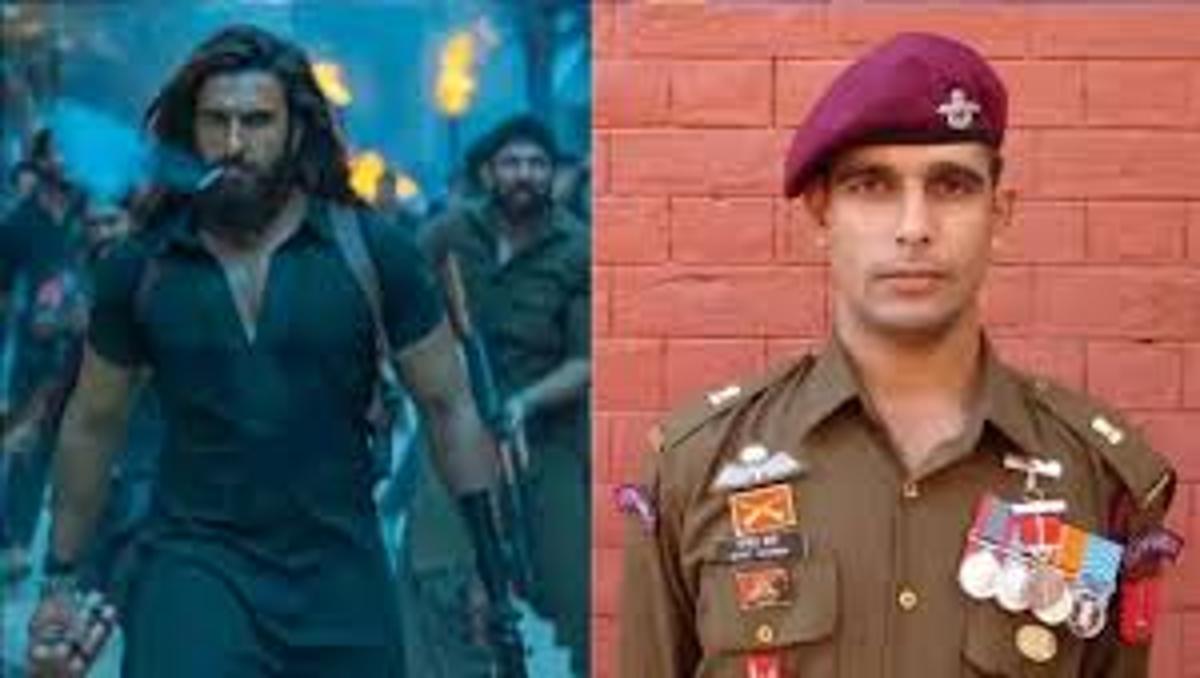
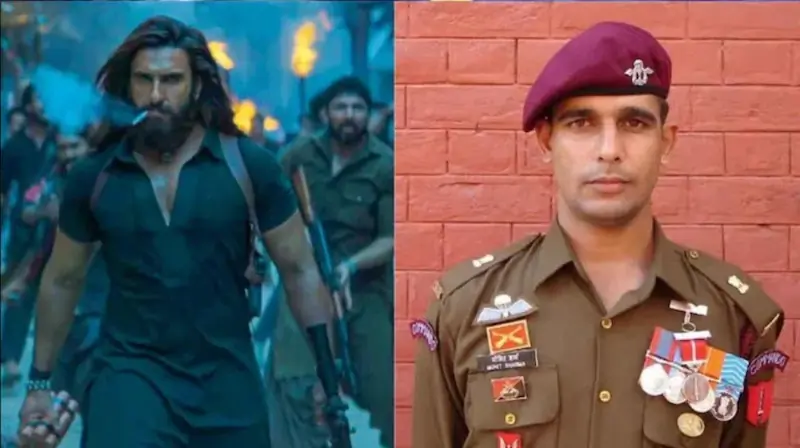
The upcoming film Dhurandhar, starring Ranveer Singh, sparked discussions because the lead character allegedly infiltrates a terror network—an act similar to one of Major Sharma’s real missions. Across social media, many users assumed the movie draws from his life.
Major Sharma’s family felt the promotional content created an impression that the movie is inspired by him, and yet no permission or consultation was sought.
What the Family Told the Court
The family approached the Delhi High Court, expressing concerns that:
- The film’s promotion suggests it is based on Major Sharma’s life.
- No consent or discussion took place with them.
- His personal legacy and privacy rights must be protected.
- The movie could unintentionally reveal sensitive military details.
They clarified they are not opposed to a film on their son, but only want proper respect, consultation and accuracy.
Filmmaker Aditya Dhar’s Clarification
Director Aditya Dhar issued a clear public statement, saying:
“Our film Dhurandhar is not based on the life of braveheart Major Sharma AC(P) SM.”
He further assured that if a biopic on Major Sharma is ever made, it would be created with full family consent and handled with utmost sensitivity.
CBFC’s Decision
On December 2, the Central Board of Film Certification (CBFC) reviewed the film and granted it a clean chit. The Board stated that Dhurandhar is a fictional work with no direct or indirect link to Major Mohit Sharma.
Why This Matters
The entire episode has reopened important discussions around:
- How stories of real heroes should be portrayed
- Consent and privacy rights of families of fallen soldiers
- The responsibility of filmmakers handling sensitive subjects
Regardless of the film, Major Mohit Sharma remains a symbol of courage, leadership and sacrifice. His life continues to inspire generations of Indians, far beyond the world of cinema.