








Table of Contents
- Introduction
- The Trophy Controversy
- What Happened During the Final?
- The Political Context
- Rising Cricketing Tensions
- Reactions from Leaders
- History of Cricket Diplomacy
- Why the Refusal Was Not Surprising
- Conclusion
Introduction
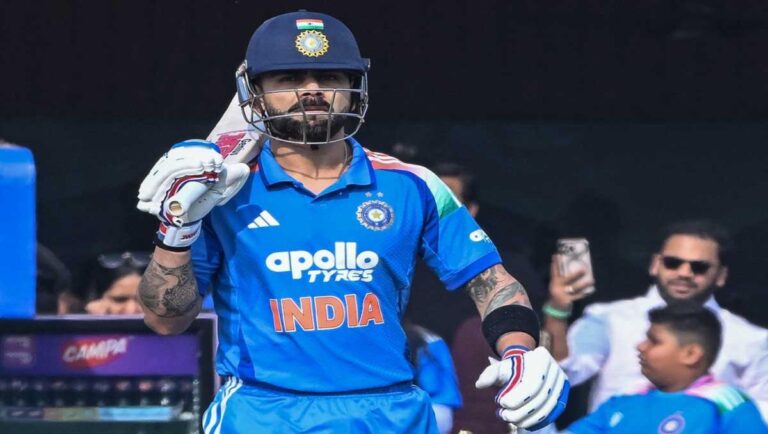
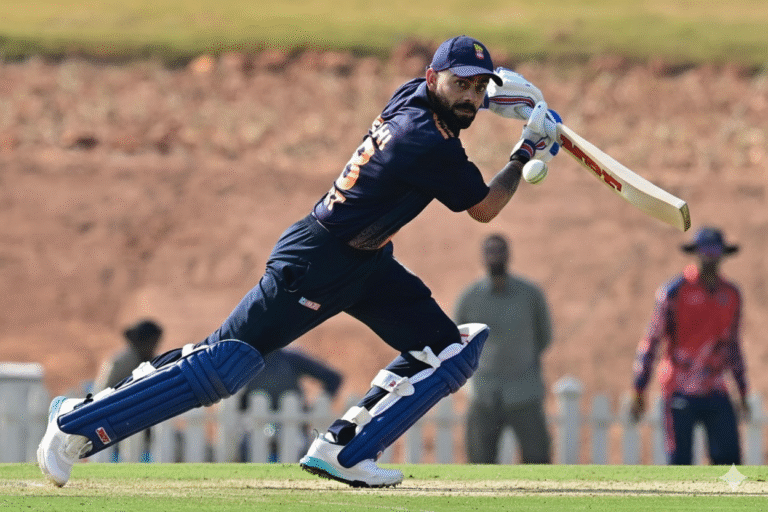
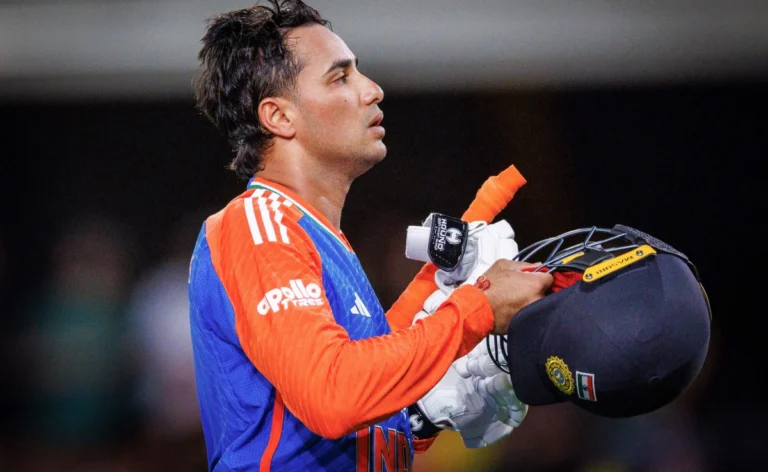
The Asia Cup 2025 final between India and Pakistan was supposed to be a celebration of cricket. India defeated Pakistan by five wickets in Dubai, securing their third consecutive win over their arch-rivals in the tournament. However, instead of lifting the Asia Cup trophy, the Indian cricket team made global headlines by refusing to accept the championship prize.
This rare move has sparked debates across the sports and political landscape, raising questions about the intersection of cricket and geopolitics.
The Trophy Controversy
The Indian team’s refusal was not about the tournament itself but about the person presenting the trophy — Mohsin Naqvi, who is both the President of the Asian Cricket Council(ACC) and the Interior Minister of Pakistan.
According to BCCI chairman Devajit Saikia, the team decided against accepting the trophy from a key Pakistani political figure:
“We have decided not to take the Asia Cup trophy from the ACC chairman, who happens to be one of the main leaders of Pakistan.”
As a result, the trophy was quietly removed from the stage before the ceremony concluded.
What Happened During the Final?
- The match ended at 10:30 pm local time, but the presentation ceremony was delayed until midnight.
- Indian players accepted individual awards from other dignitaries, but avoided interaction with Naqvi.
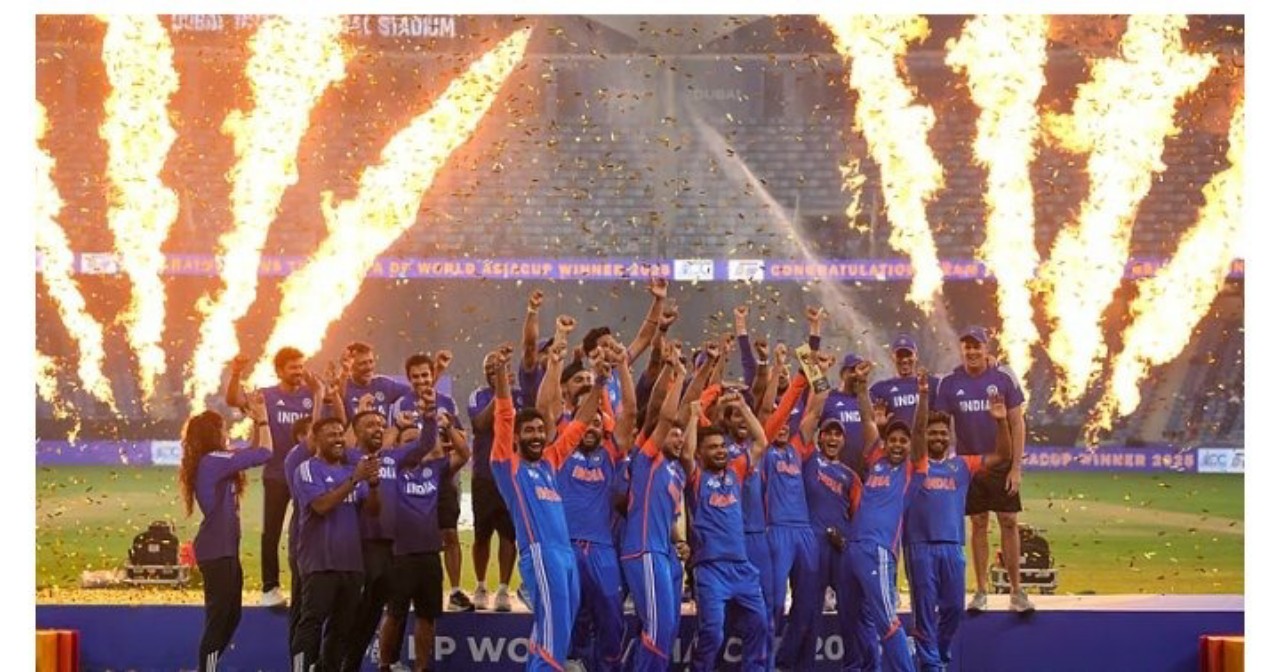
- The champions’ trophy was removed from the dais, leaving the players to celebrate by mimicking holding an “invisible trophy.”
- Pakistani captain Salman Agha collected the runner-up cheque from Naqvi without issue.
Indian captain Suryakumar Yadav later expressed disappointment:
“I think this is one thing which I have never seen since I started following cricket, that a champion team is denied a trophy. We deserved it.”
Swag of Team India 🇮🇳🔥
— Kuldeep Rawat (@KuldeepRawatBJP) September 29, 2025
History created at #AsiaCupFinal – Team India not only defeated Pakistan on the ground but also showed unmatched swag off the ground. 💪🇮🇳
The Men in Blue REFUSED to accept the trophy from Asian Cricket Council Chairman Mohsin Naqvi – who also happens to… pic.twitter.com/DGeqUkvl5v
The Political Context
India-Pakistan relations were already at their lowest point in years. Just months earlier, a deadly terrorist attack in Pahalgam (April 22, 2025) killed 26 people. India blamed Pakistan-backed militants, while Islamabad denied involvement.
The fallout included:
- India suspending the Indus Waters Treaty.
- Operation Sindoor: Indian missile strikes inside Pakistan (May 7).
- Operation Bunyan Marsoos: Pakistani retaliatory strikes (May 10).
- A brief ceasefire agreement announced by US President Donald Trump.
Given this backdrop, India’s cricket team refusing to accept the trophy was seen as a symbolic diplomatic stance.
Rising Cricketing Tensions
The Asia Cup itself was clouded with political undertones:
- Indian players refused handshakes with Pakistan’s team.
- Captain Yadav dedicated wins to the Indian Army.
- Pakistani players responded with provocative celebrations, referencing air battles and attacks.
- Mohsin Naqvi, despite being ACC chief, made politically charged social mediaposts, raising concerns about neutrality.
Reactions from Leaders
- PM Narendra Modi congratulated the Indian team, linking the win to Operation Sindoor.
- Mohsin Naqvi responded sharply, accusing Modi of dragging war into sport.
- Political figures on both sides accused the other of politicizing cricket
History of Cricket Diplomacy
In the past, cricket often served as a diplomatic bridge between India and Pakistan:
- 1987: President Zia-ul-Haq visited India during a test match.
- 1999: Pakistan’s victory in Chennai received a standing ovation from Indian fans.
- 2005: Pervez Musharraf attended a match in India during peace talks.
- 2011: Indian PM Manmohan Singh invited Pakistani PM Yousuf Raza Gilani to watch the World Cup semifinal.
This history contrasts sharply with today’s politicized cricketing environment.
Why the Refusal Was Not Surprising
Experts argue that India’s refusal was expected given the political climate.
“International politics and sports are said to be separate, but that’s rarely true when it comes to India and Pakistan,” said researcher Mathew John Moolakkattu.
The Indian team’s gesture reflected the broader government stance of distancing from Pakistan on all fronts until terrorism-related disputes are resolved.
Conclusion
India’s refusal to accept the Asia Cup trophy has set a new precedent in cricket history. What was meant to be a moment of sporting glory instead highlighted the deep political divide between the two nations.
While cricket has historically been a bridge of diplomacy, the 2025 Asia Cup may be remembered as the tournament that reinforced conflict over camaraderie.
READ MORE : Tilak Varma Turns Asia Cup Final Into Meme Fest: Fans Say ‘Pehle Sindoor, Ab Tilak!’